
Vintage cars are an important part of automobile history and continue to attract people around the world with their unique designs, mechanical engineering, and old technology. Long before modern automobiles featured digital screens, electric motors, advanced sensors, and connected systems, cars were built using traditional mechanical technology and craftsmanship.
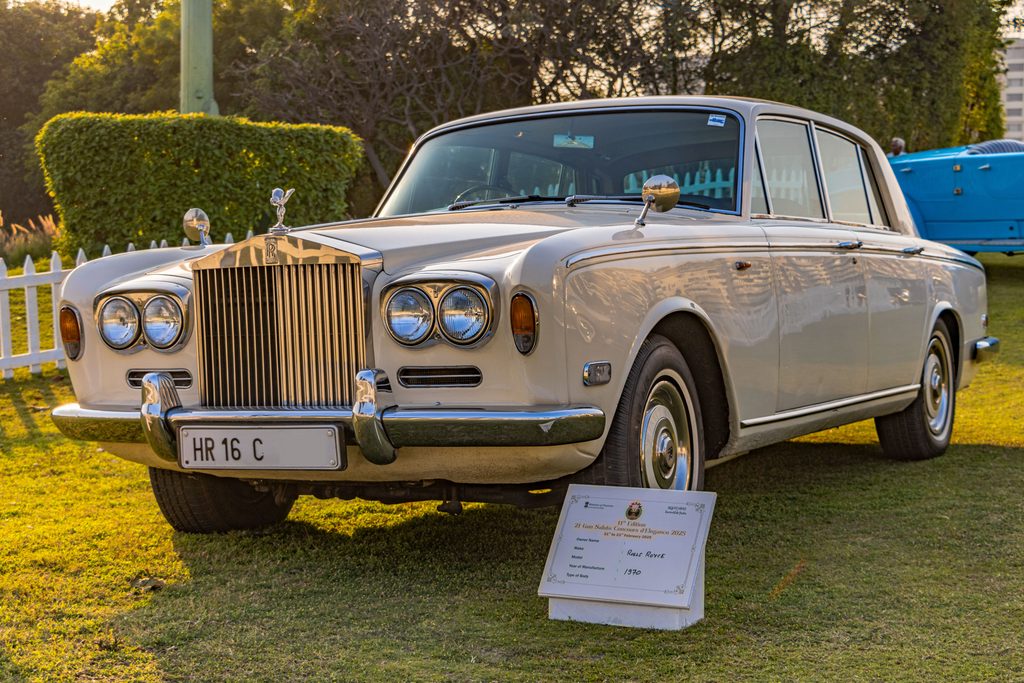
What Are Vintage Cars?
The term vintage cars generally refers to older automobiles, although its exact meaning can vary. Historically, the Vintage Era is often associated with automobiles manufactured between 1919 and 1930. However, the term is also commonly used to describe old, collectible, and historically significant cars.

Old Technology Behind Vintage Cars
One of the most interesting aspects of vintage automobiles is their old technology. Modern cars depend heavily on computers, electronic sensors, software, and automated systems. Older cars relied much more heavily on mechanical components.
Engines were designed with comparatively simple mechanical systems. Drivers had direct control over many aspects of the automobile, including the clutch, gear selection, brakes, steering, and engine operation.

Restoring Old Cars
Restoring an old automobile is a popular hobby among collectors and automobile enthusiasts. Restoration involves bringing a vehicle back to a condition that reflects its original appearance and mechanical characteristics.
A restoration project may involve repairing the engine, rebuilding the transmission, repairing the body, removing rust, restoring the interior, and replacing damaged components.
Finding original parts can sometimes be difficult because manufacturers may no longer produce components for older automobiles. Restorers may therefore rely on specialist suppliers, automobile clubs, collectors, and skilled craftsmen.
